My journey so far
I started out with a CS degree and some freelance work as a developer, but somewhere along the way I got more curious about why things worked for people than how they were built. That took me into UX through a master's degree and a few stints in fintech.
I joined Xero in 2021 building tax products for accountants and bookkeepers. After nearly five years there, I moved into banking, chasing the same goal: making the experience powerful for accountants and a little less intimidating for the business owners actually using it.
Outside of that, I run a small design studio building websites and apps, and spend time mentoring early-career designers.
Work
A mix of case studies from the enterprise products I've shipped, smaller experiments where I dig into how a specific interaction should feel, and full apps I've built to bring ideas in my head to life with the power of AI.
Case studies
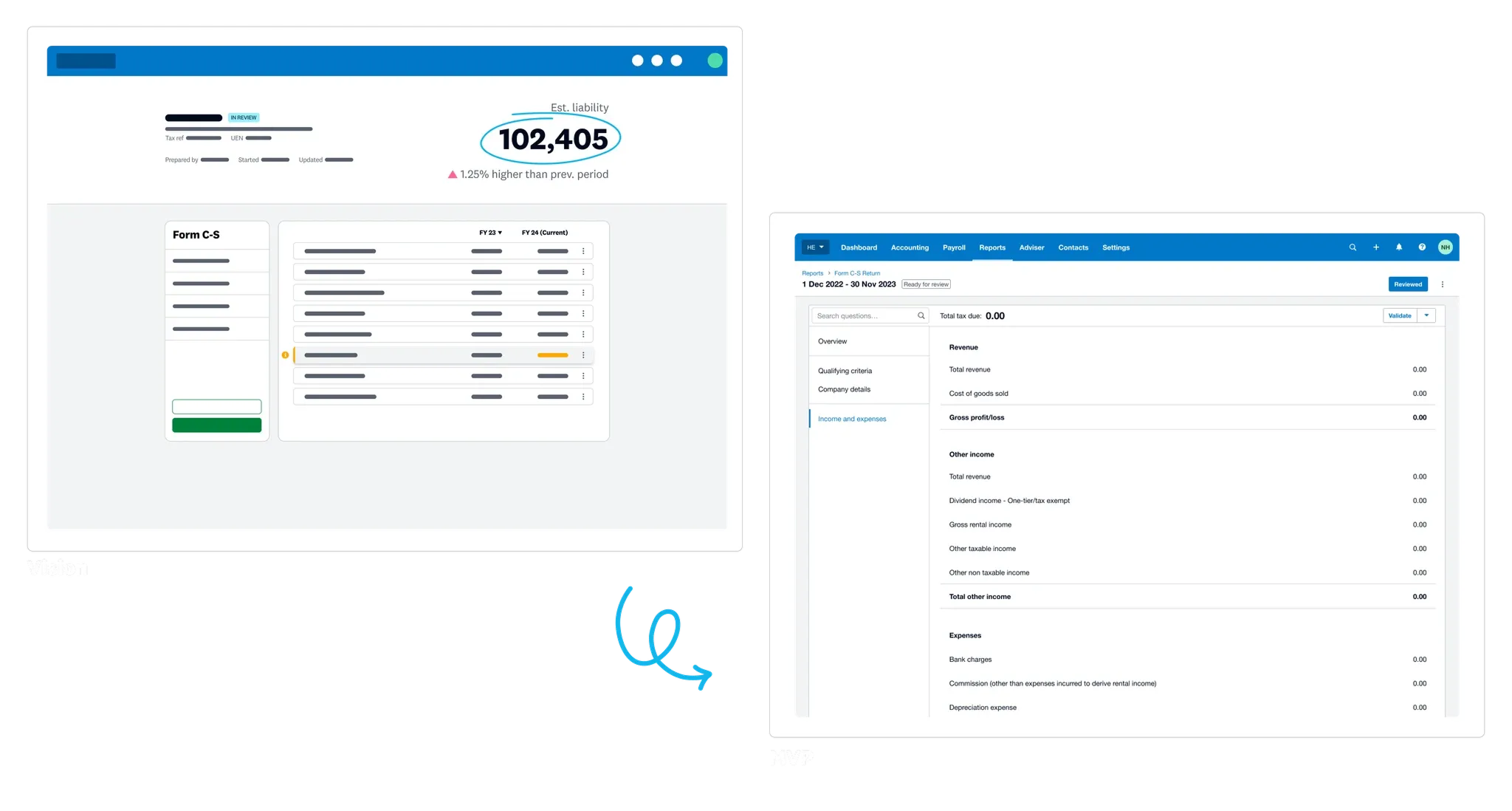
Developing a Vision-Backed Product-Market Fit in Singapore
A product vision for Singapore's annual corporate tax filing — built when the safe move was to do nothing.
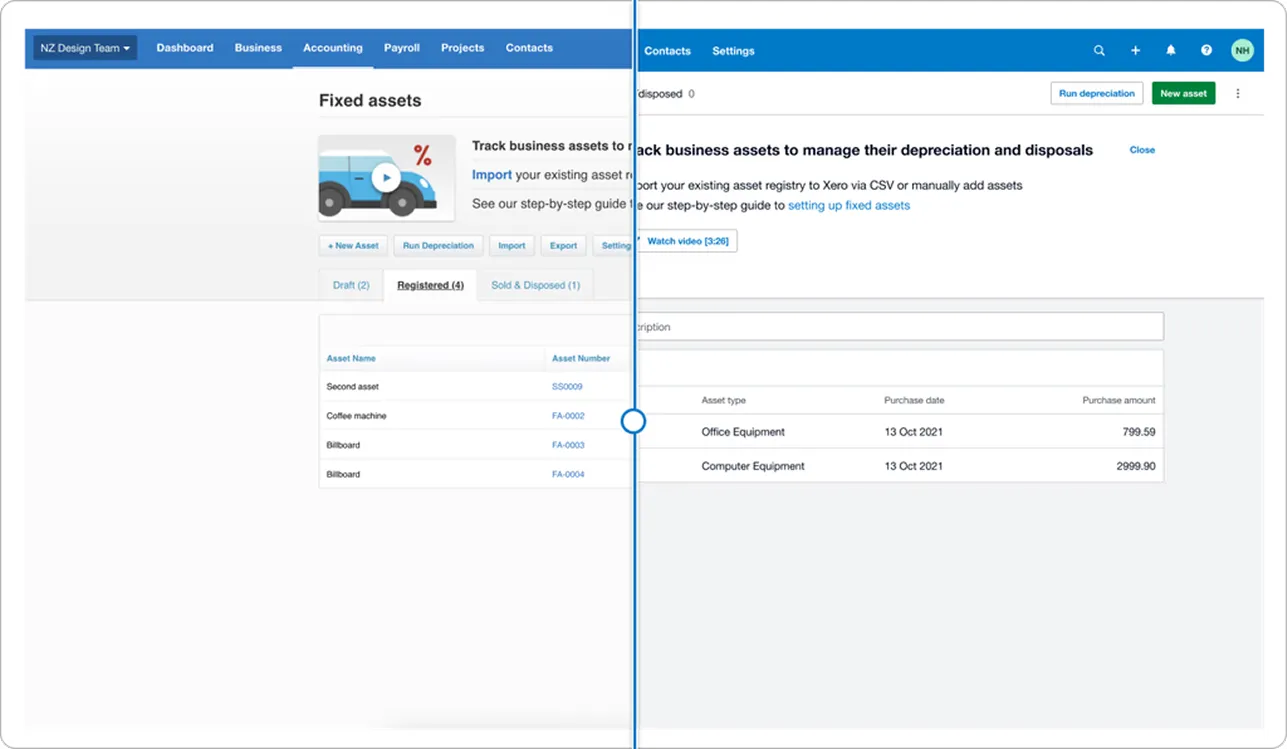
Modernizing a Global Product
Led design and research to modernise Xero's fixed assets product — a 10+ year feature on legacy tech — for a new global team under the Future of Xero initiative.
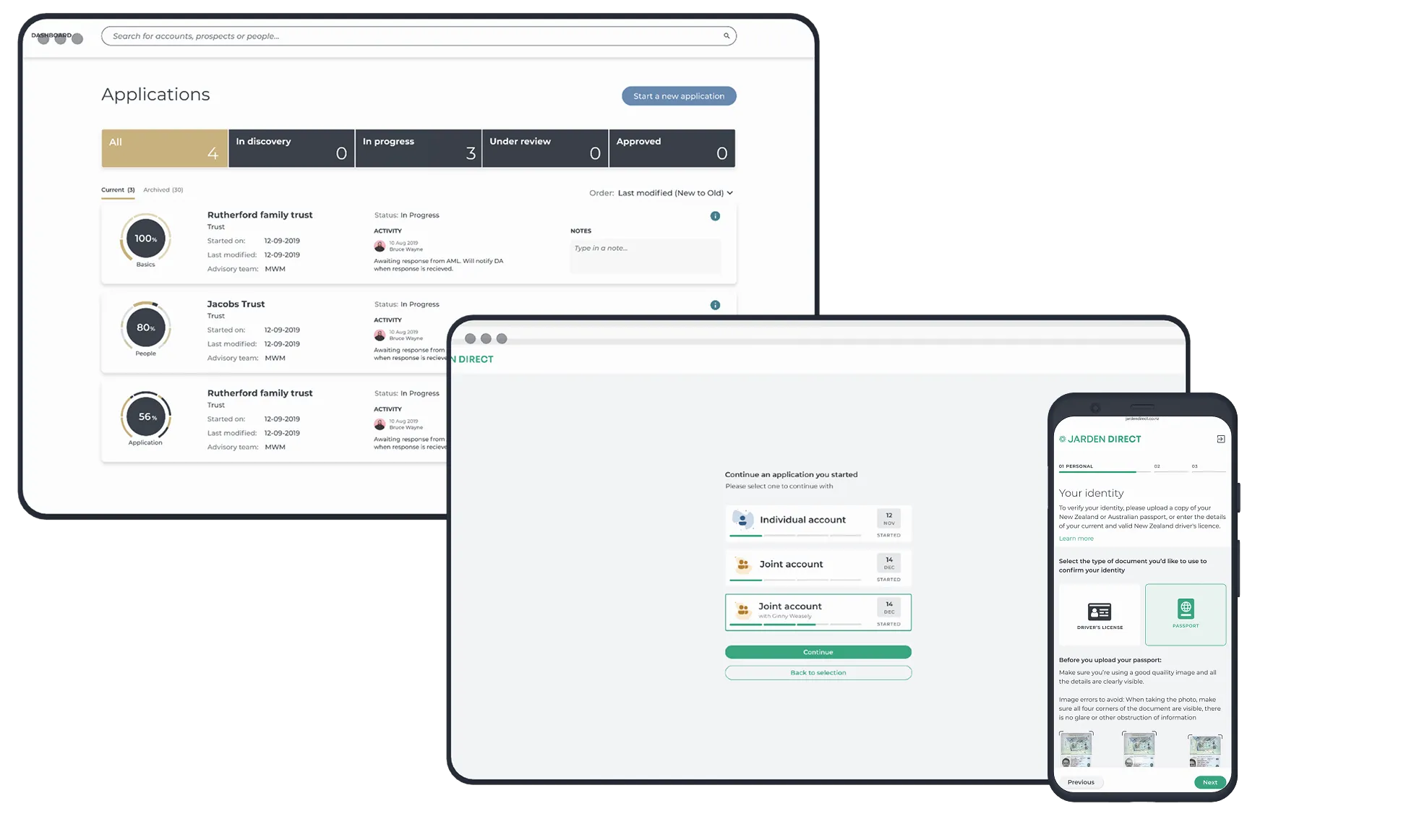
Reimagining Sign Up
Led design for Jarden Direct's sign-up — the stage where customers register with transparent security and business checks. Sole designer on a cross-functional pod rebuilding onboarding for web, not just iOS.
Understanding mobile usage of accountants/bookkeepers
Case study coming soon.
Future of tax
Case study coming soon.
1099 product enhancements
Case study coming soon.
Currently building
From the lab
Design Pear
A Figma plugin that brings the laws of UX onto the canvas, so you can place them next to a design and show your reasoning.
Design Pear: Annotator
A Figma plugin for categorized annotation, built to unblock teams who don't have a dev seat.
How Design Tokens Need to Evolve for the AI Era
Design tokens were built for human readers — designers who already know what Toast versus Alert means. AI agents don't have that context. An experiment in what it takes to close the gap: three briefs, four levels of documentation, one accuracy cliff.
About me
Hey! I'm Sid, a designer and freelancer based in Vancouver, Canada. I'm currently working as a Sr. Product Designer at Xero.
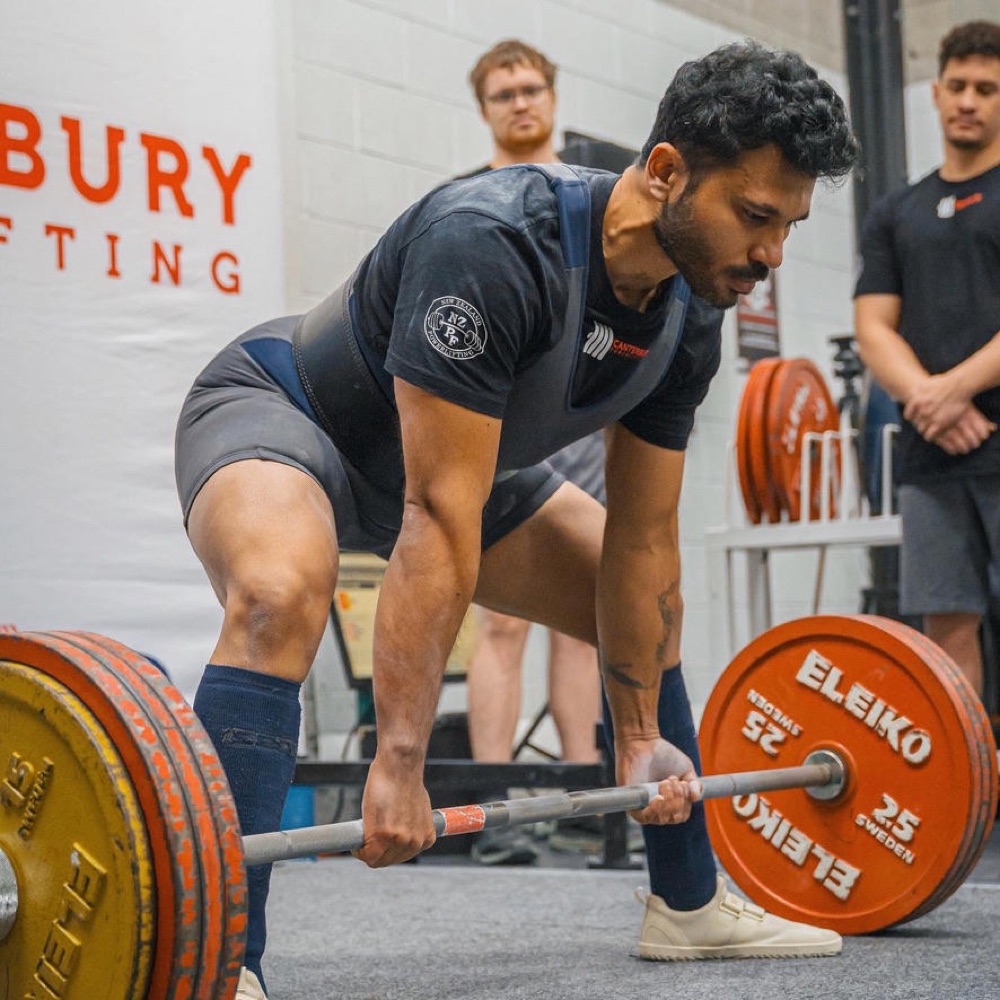
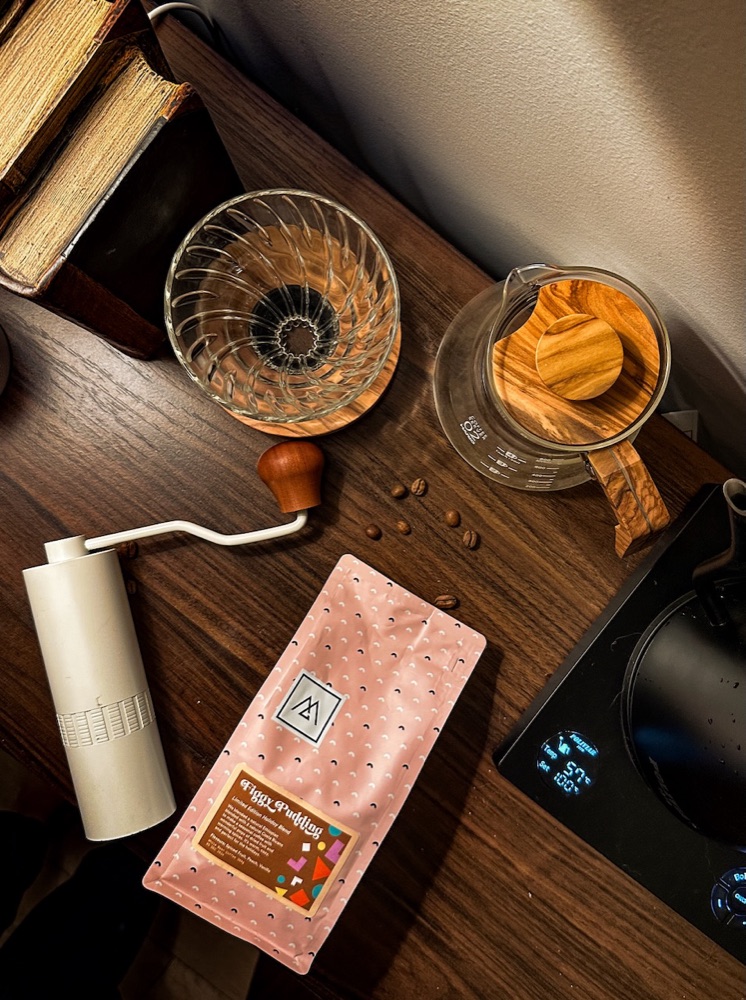
I'm also an amateur powerlifter and love tennis — so very likely to be found at the gym or tennis courts. In between all of that, I enjoy brewing coffee in all sorts of ways — current favourite is the Kalita wave, trying out new foods, and just spending time with my wife and two dogs.


Design philosophy
Good design rarely starts at the screen. It starts by stepping back, understanding the whole system, and figuring out where you're actually trying to go before you decide how to get there. I hold onto the north star, but I stay close enough to the details to know when something's drifting from it.
I don't separate designing from building. The fastest way to know if an idea holds up is to make it real, so I prototype and ship code alongside the strategy, not after it. AI has changed what "real" means for me. I can go from a rough idea to working software in an afternoon, which means less time arguing about mockups and more time learning from something people can actually use.
I care about the parts nobody notices. The state before data loads, the transition that makes a change feel intentional, the copy that doesn't need a tooltip. Complexity is a design failure, not a feature, and on dense, technical products my job is finding the simple thing underneath and building toward it.
I don't think design is separate from engineering, research, or judgment. It's all one discipline aimed at the same outcome. And I'd rather leave a team better at seeing that than just leave behind a good screen.